Small wooden statuettes were often placed in Middle Kingdom tombs, a practice begun during the late Old Kingdom. The statues were deposited in close proximity to the mummy even, in some cases, inside the coffi n. The statuette acted as an alternative resting-place for the spirit of the deceased in the event of damage to the physical body.. Carved from a single block of limestone, this statue depicts a man in the classic Egyptian striding pose, with left leg advanced and arms by his sides. He wears a short, curled wig and a belted knee-length kilt, knotted in the front. Abundant pigment remains on the sculpture, including red (legs and other exposed skin), yellow (kilt), blue and turquoise (belt knot and tab), and black (wig.
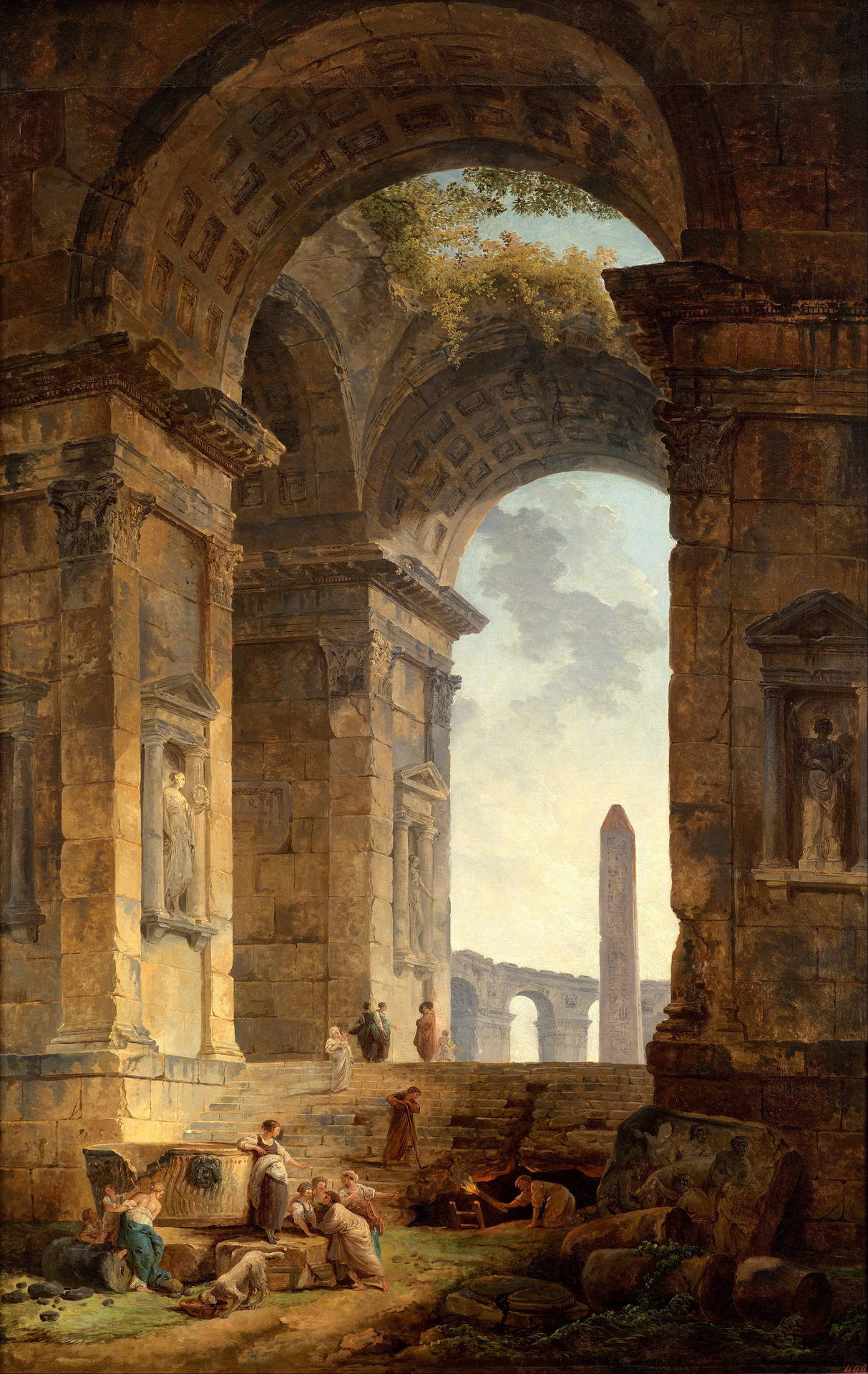
Download Ancient Rome Painting Wallpaper
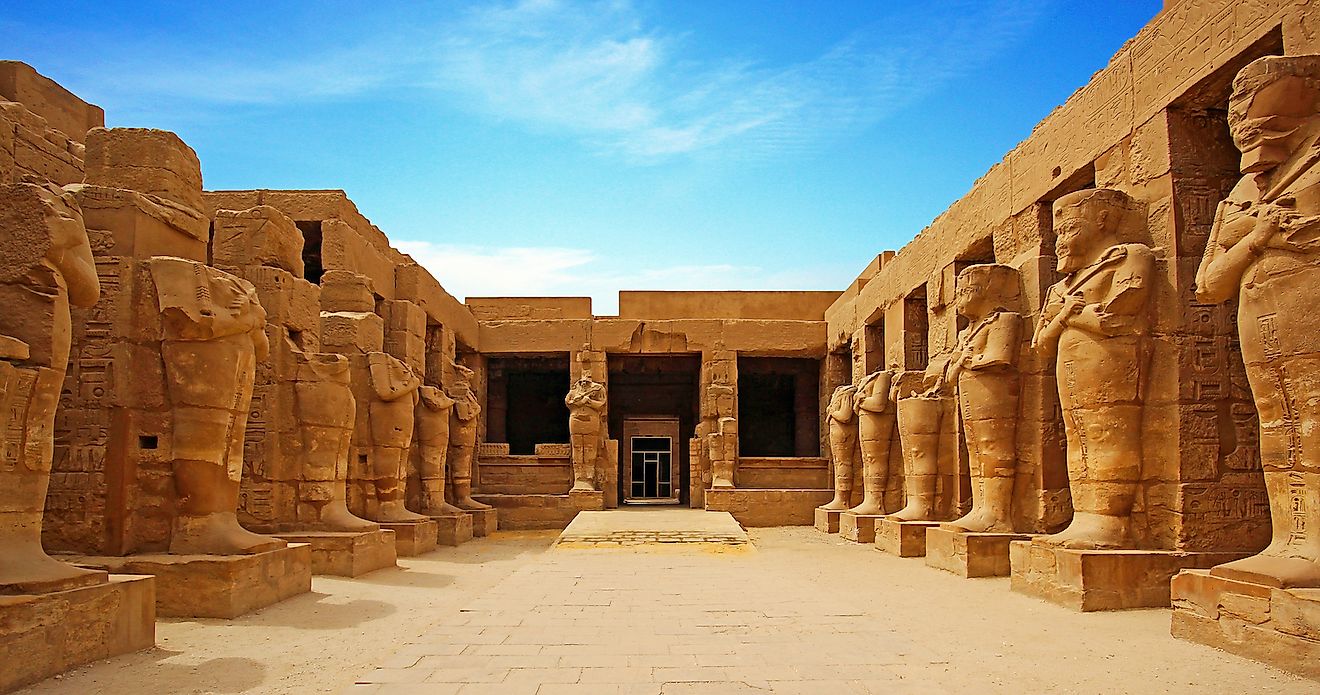
The World’s Oldest Civilizations WorldAtlas
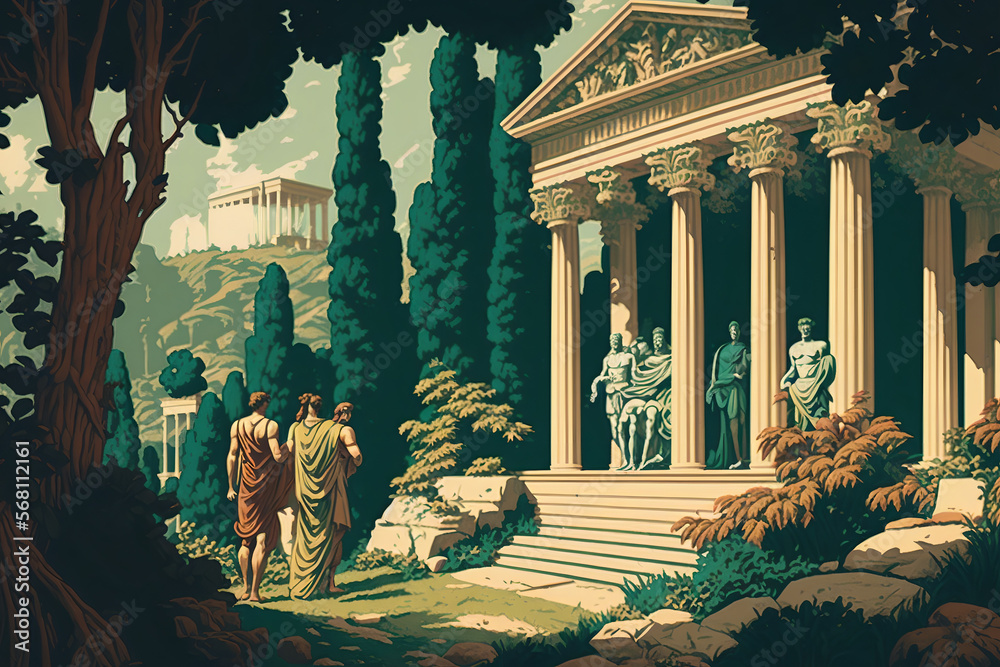
Ancient greek civilization, Old history and culture. Ancient Greece
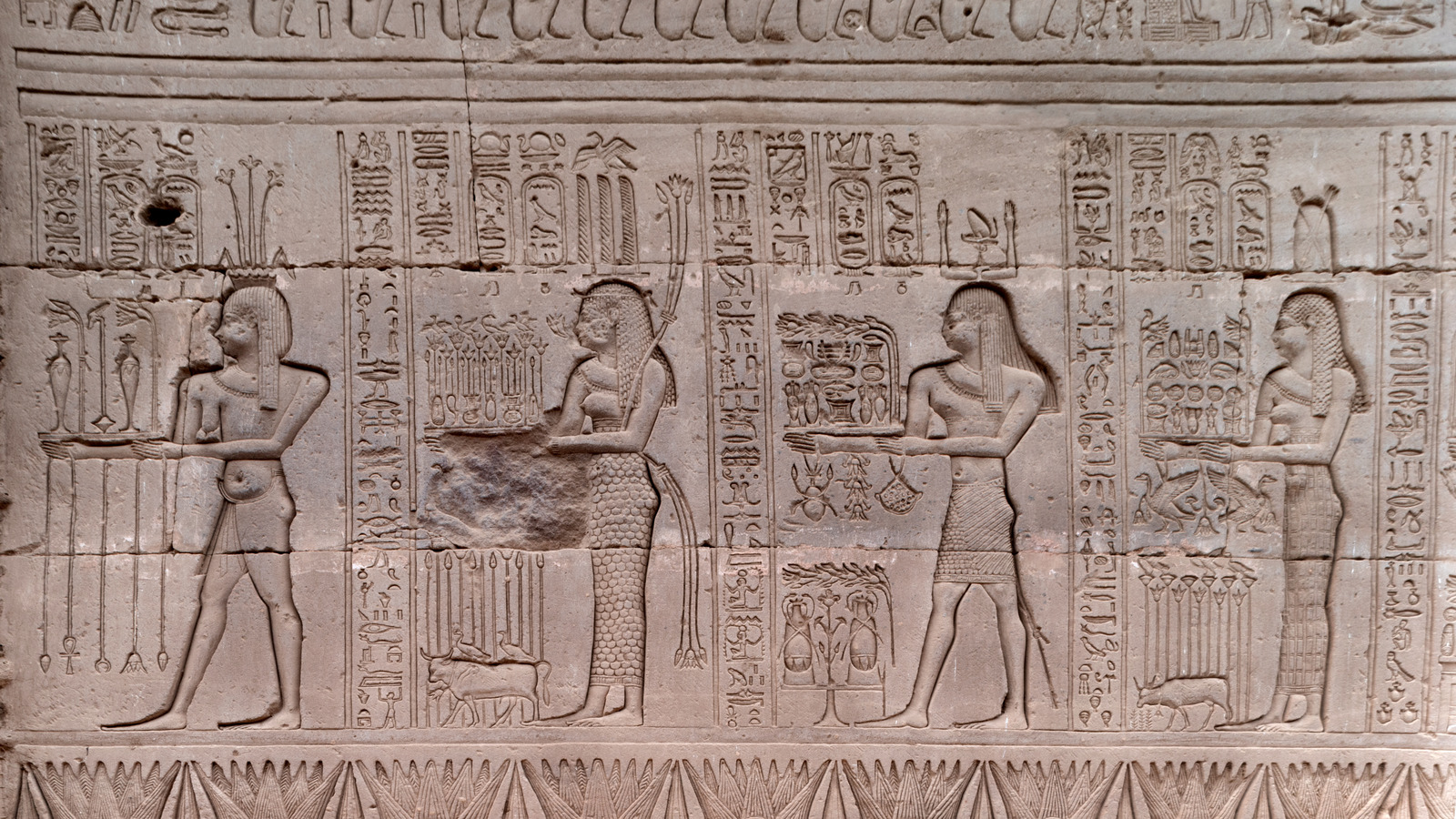
What Did The Ancient Egyptians Really Eat?
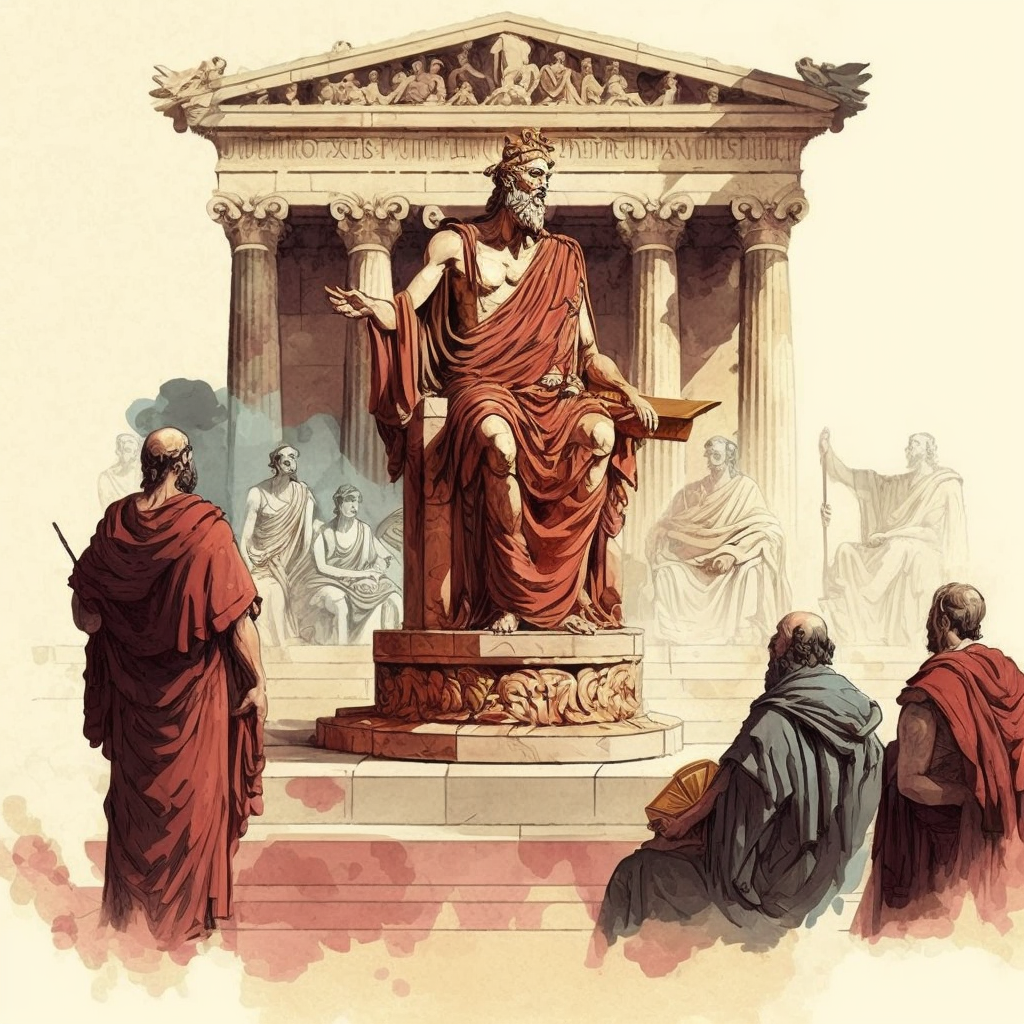
Democracy in Ancient Greece A Comprehensive Summary Crunch Learning

Ancient Towns in India Fodor’s Travel Guide
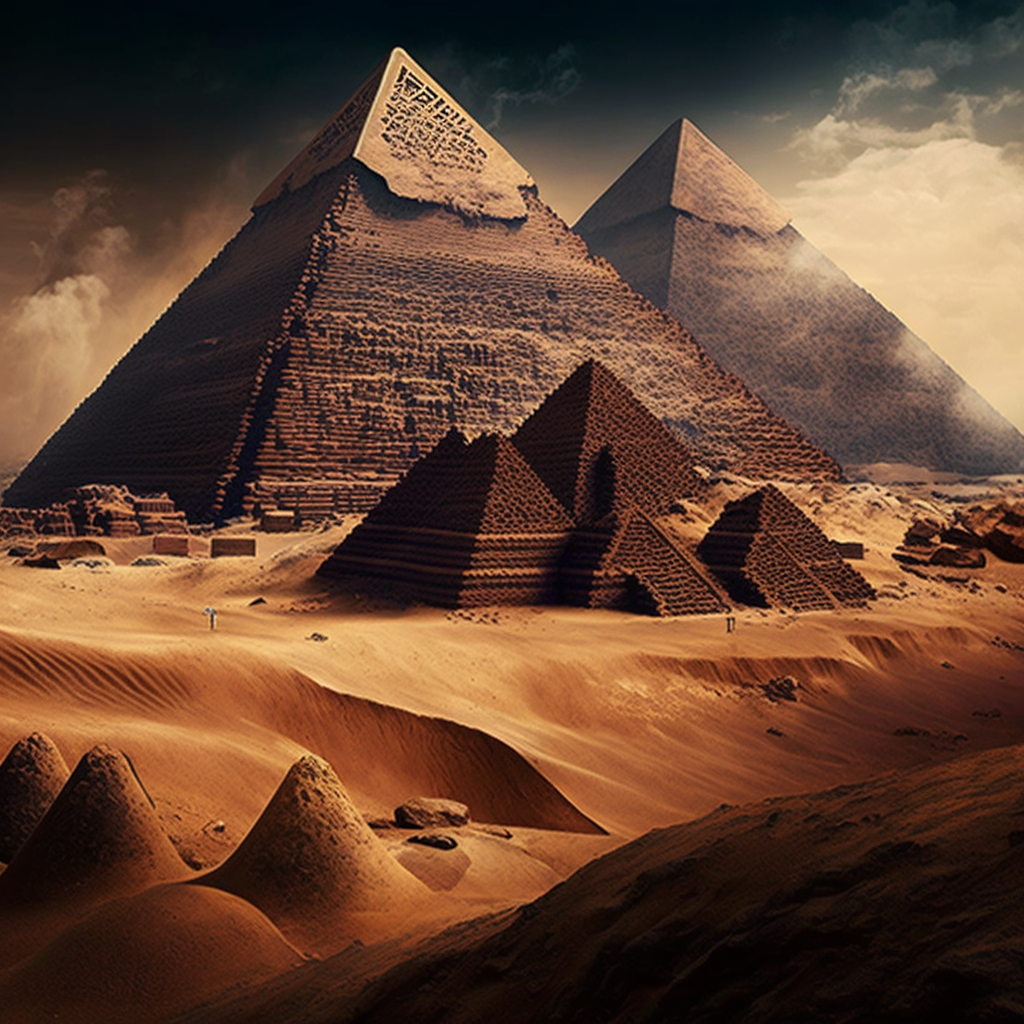
Egypt Pyramids

Premium Photo An encyclopedia pyramid of ancient egyptian

Ancient Rome facts and history National Geographic Kids
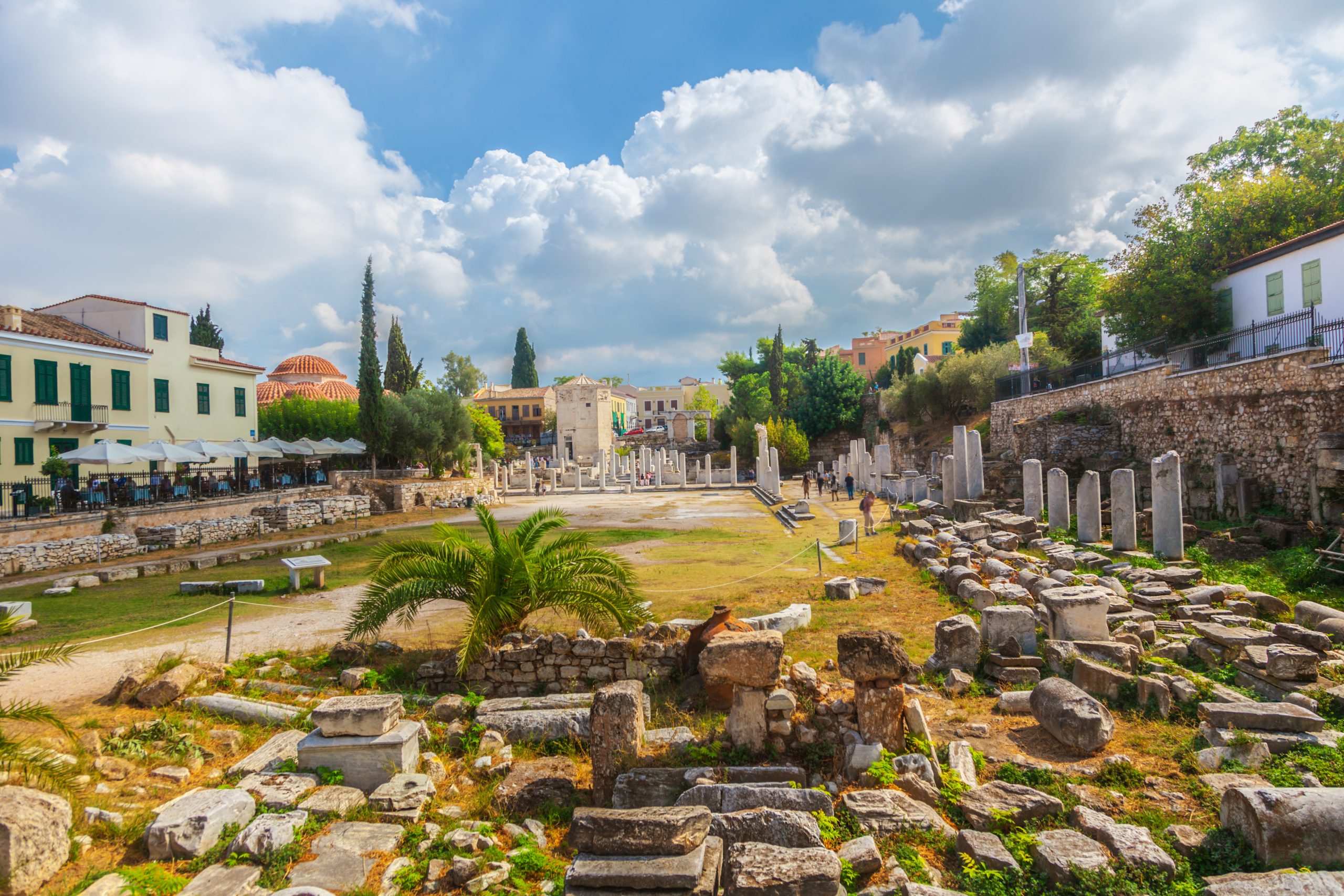
About the Agoras of Ancient Greece
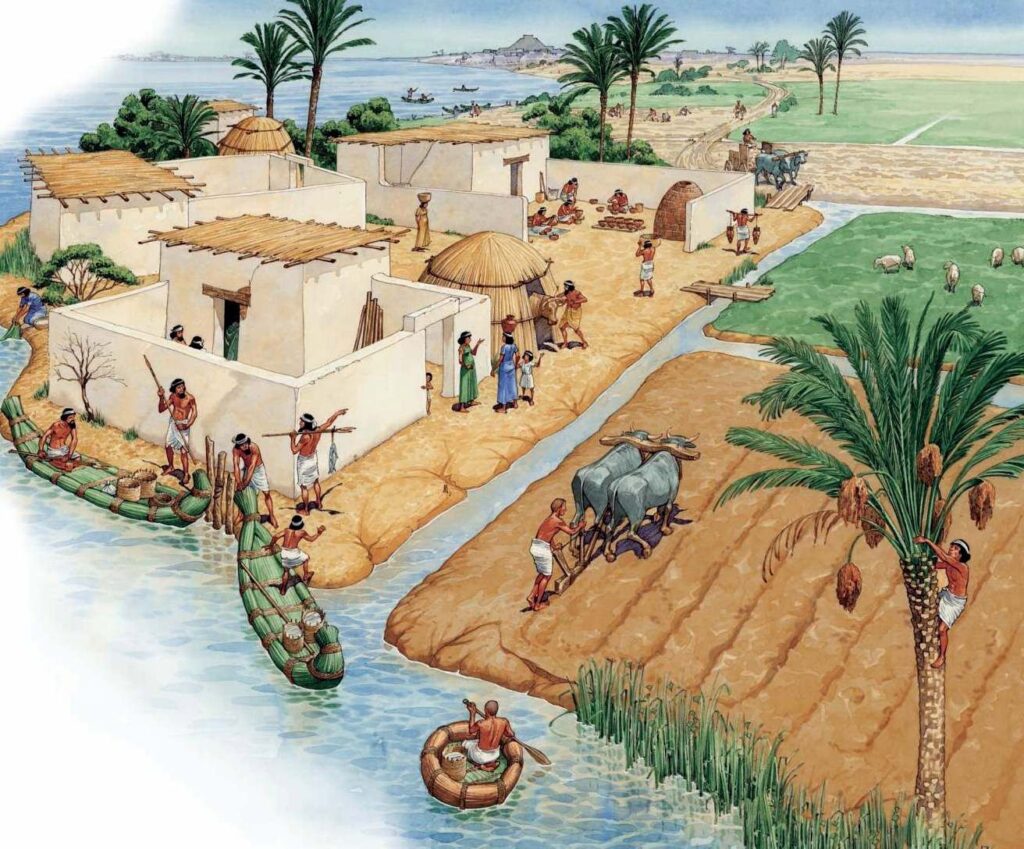
Ancient Civilization Integral Society
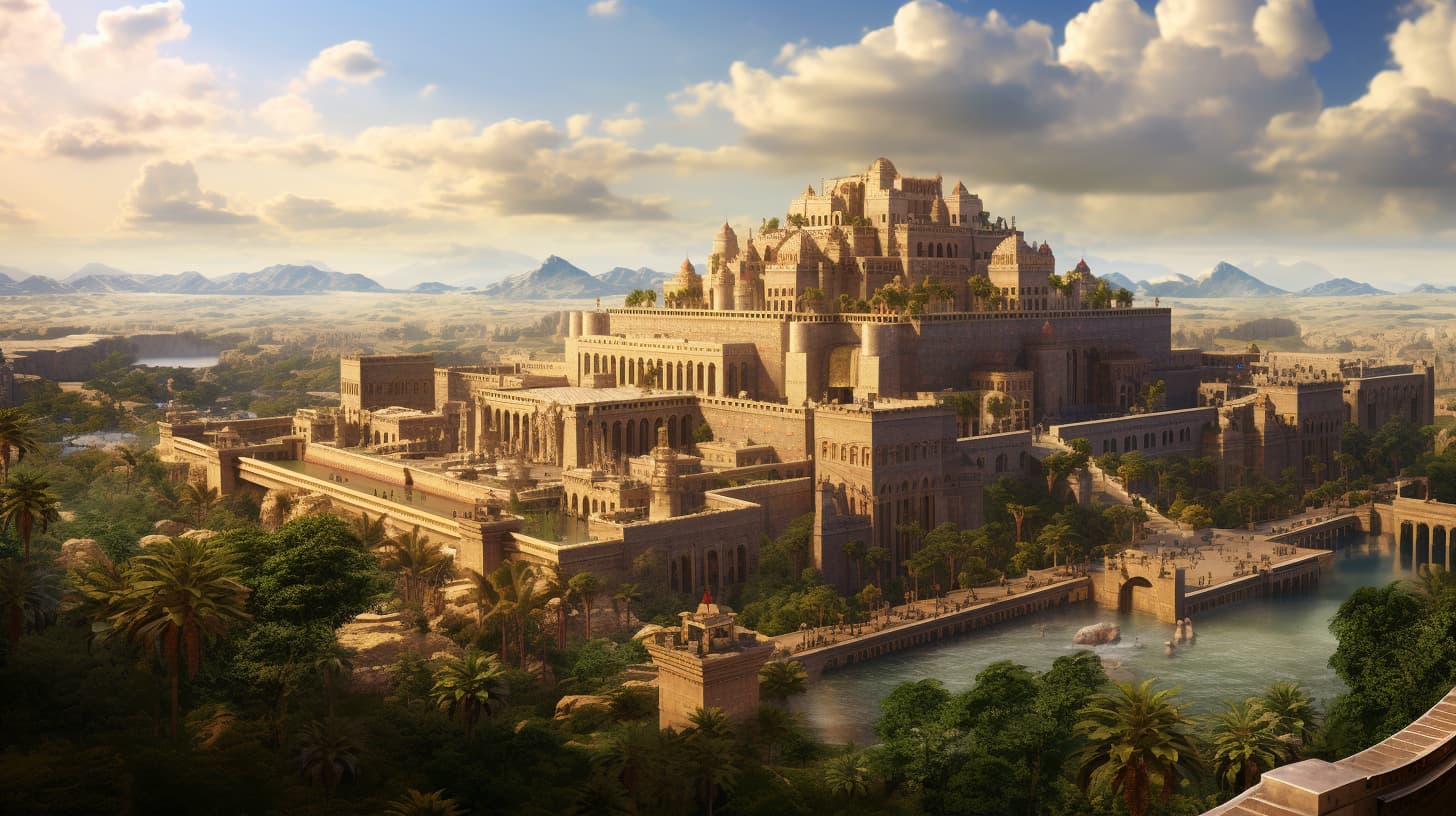
Ancient Babylon City
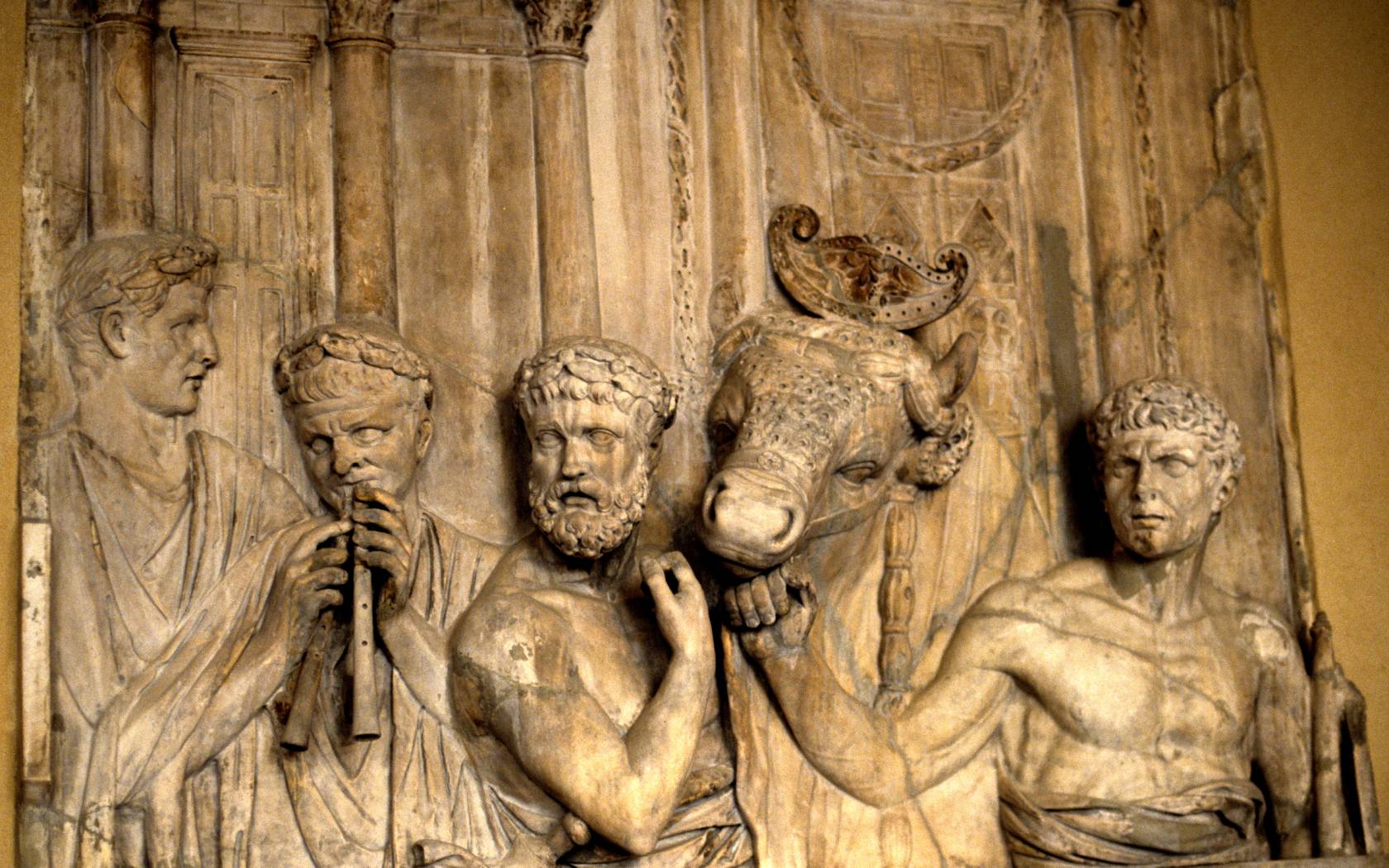
The different ways to know the gods in Ancient Greece Engelsberg ideas
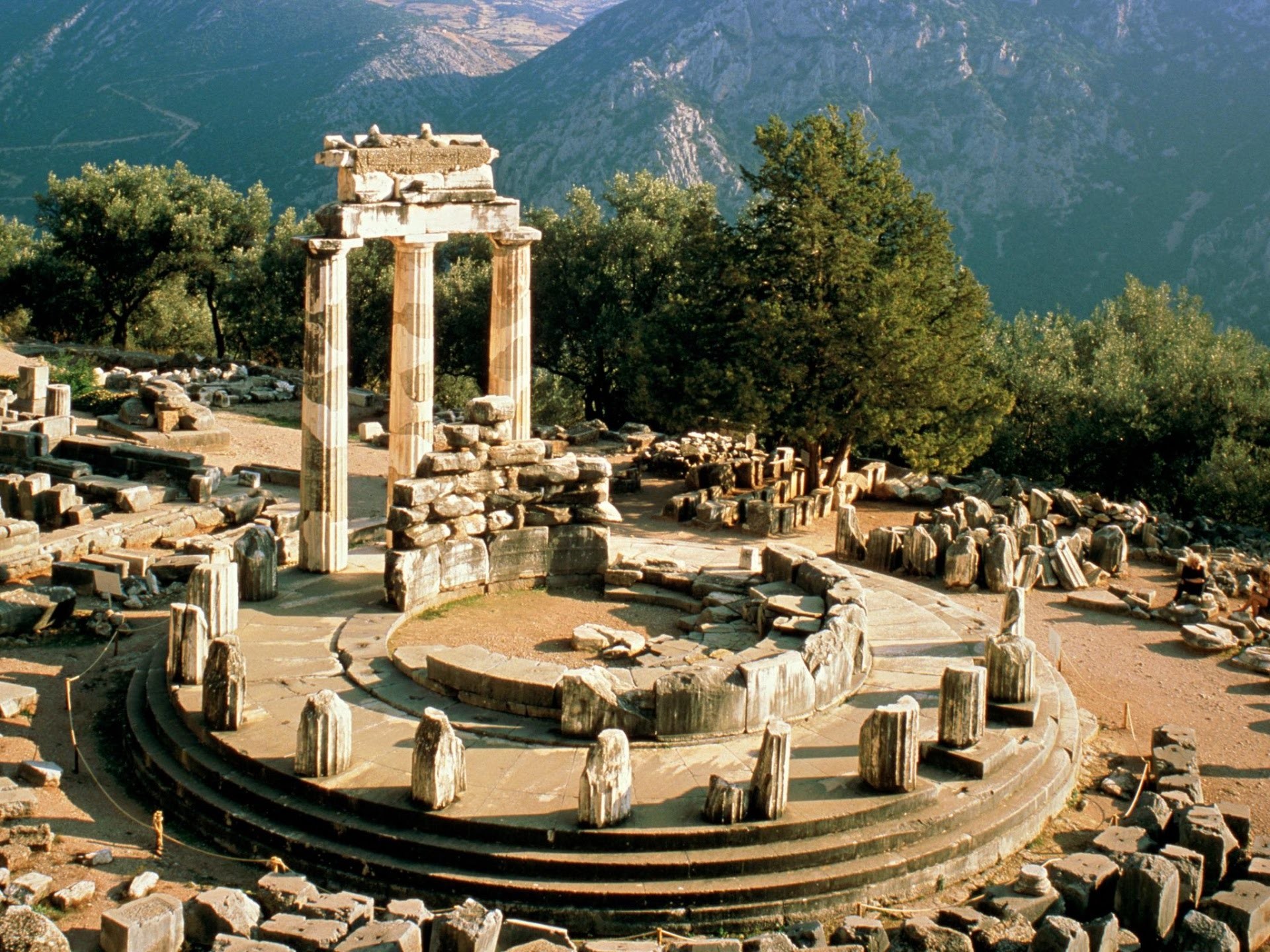
Ancient Greece Wallpaper (62+ images)
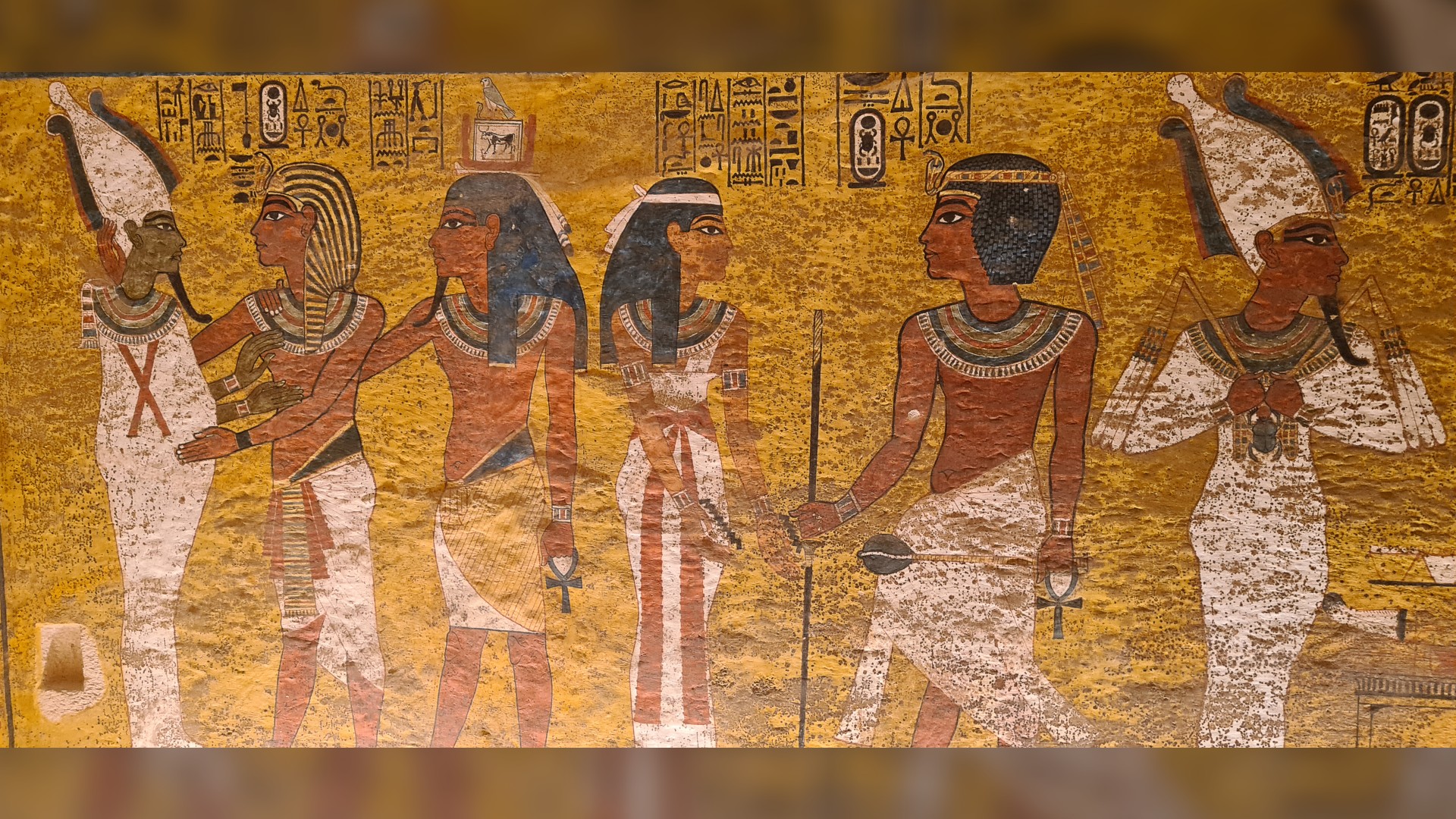
Why does ancient Egypt’s distinctive art style make everything look
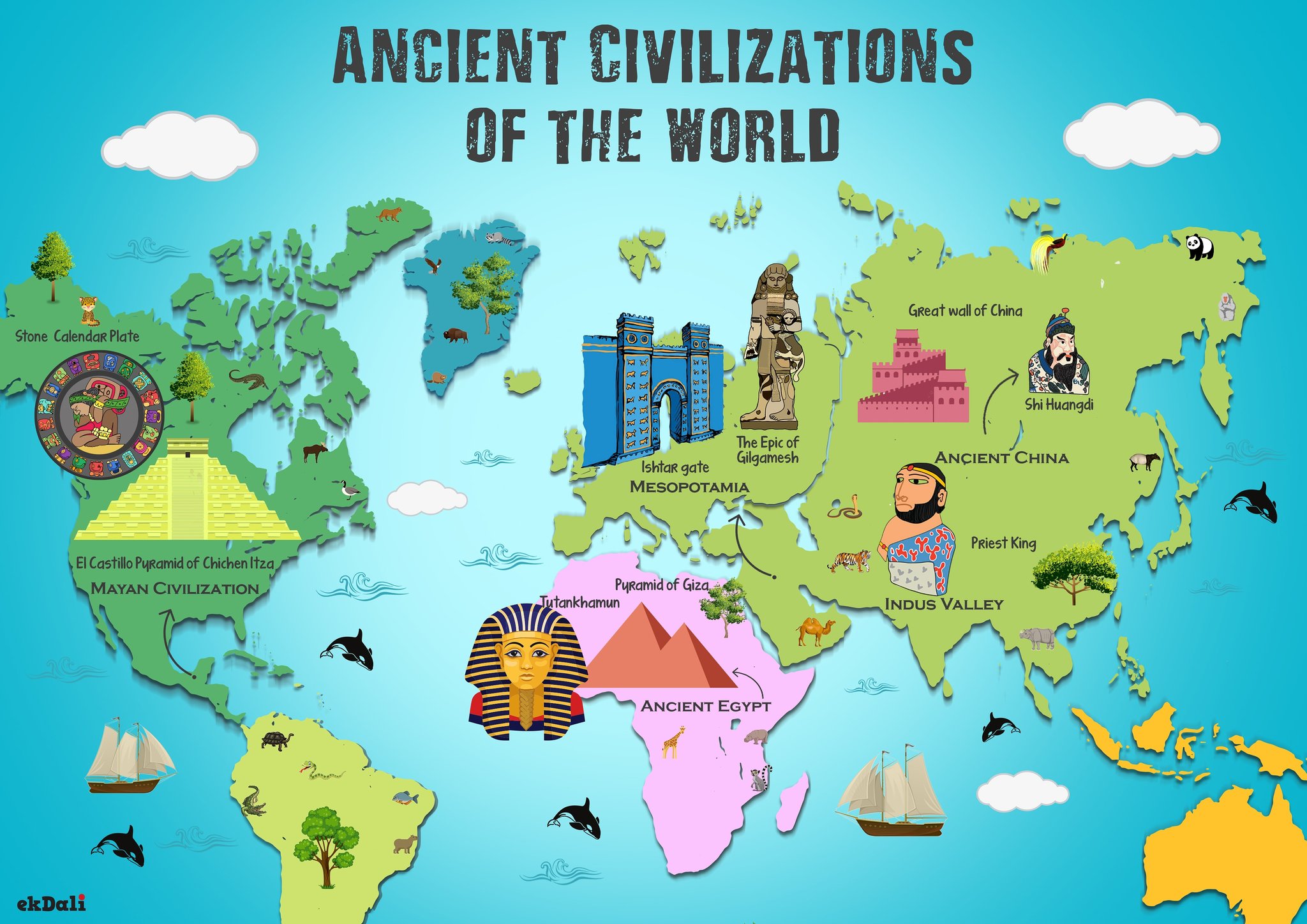
Ancient Civilizations Map
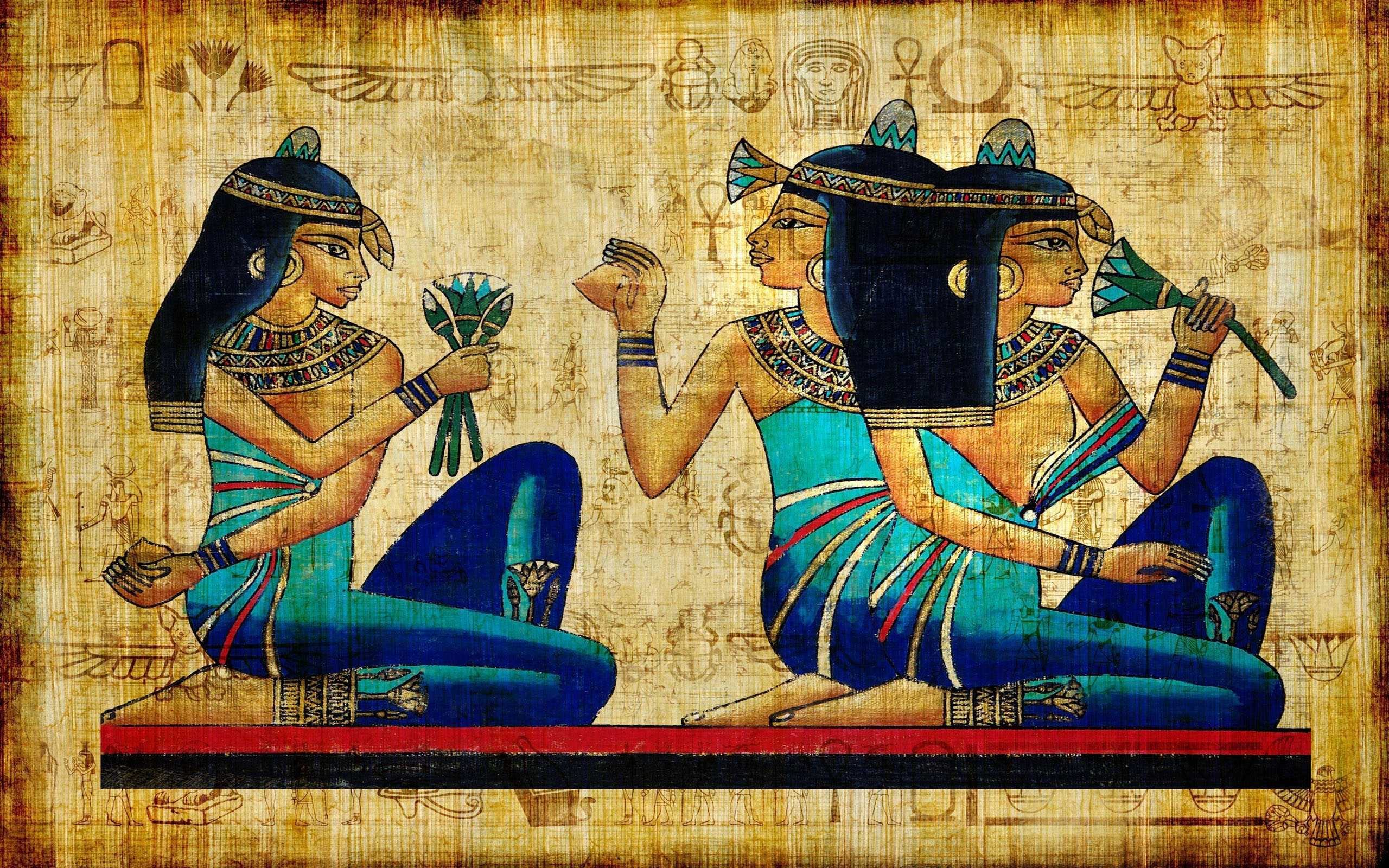
Top 10 Most Famous Ancient Egyptian Feasts

The ENTIRE History of Egypt Ancient Civilizations Documentary YouTube
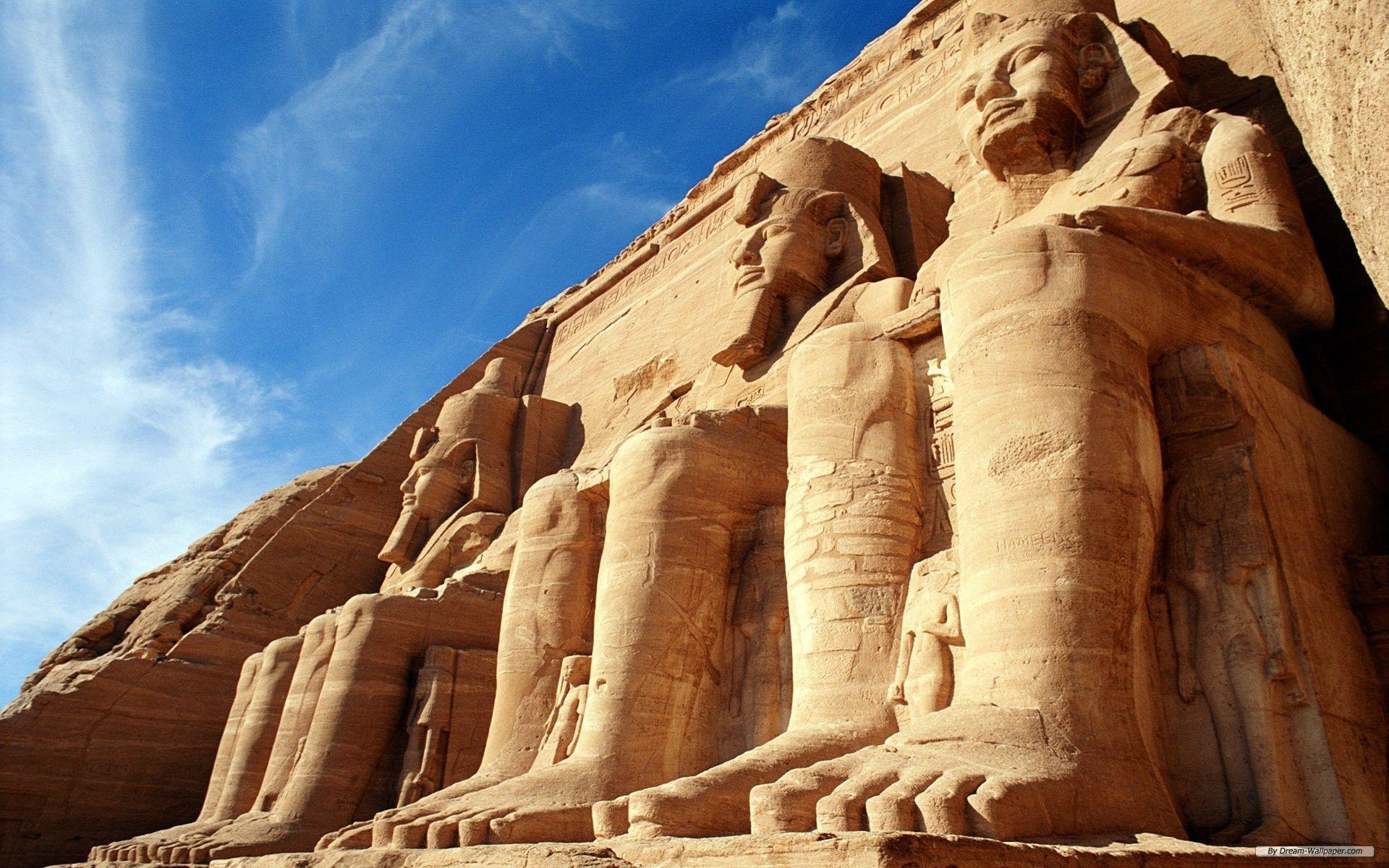
Ancient Egypt Wallpapers Wallpaper Cave
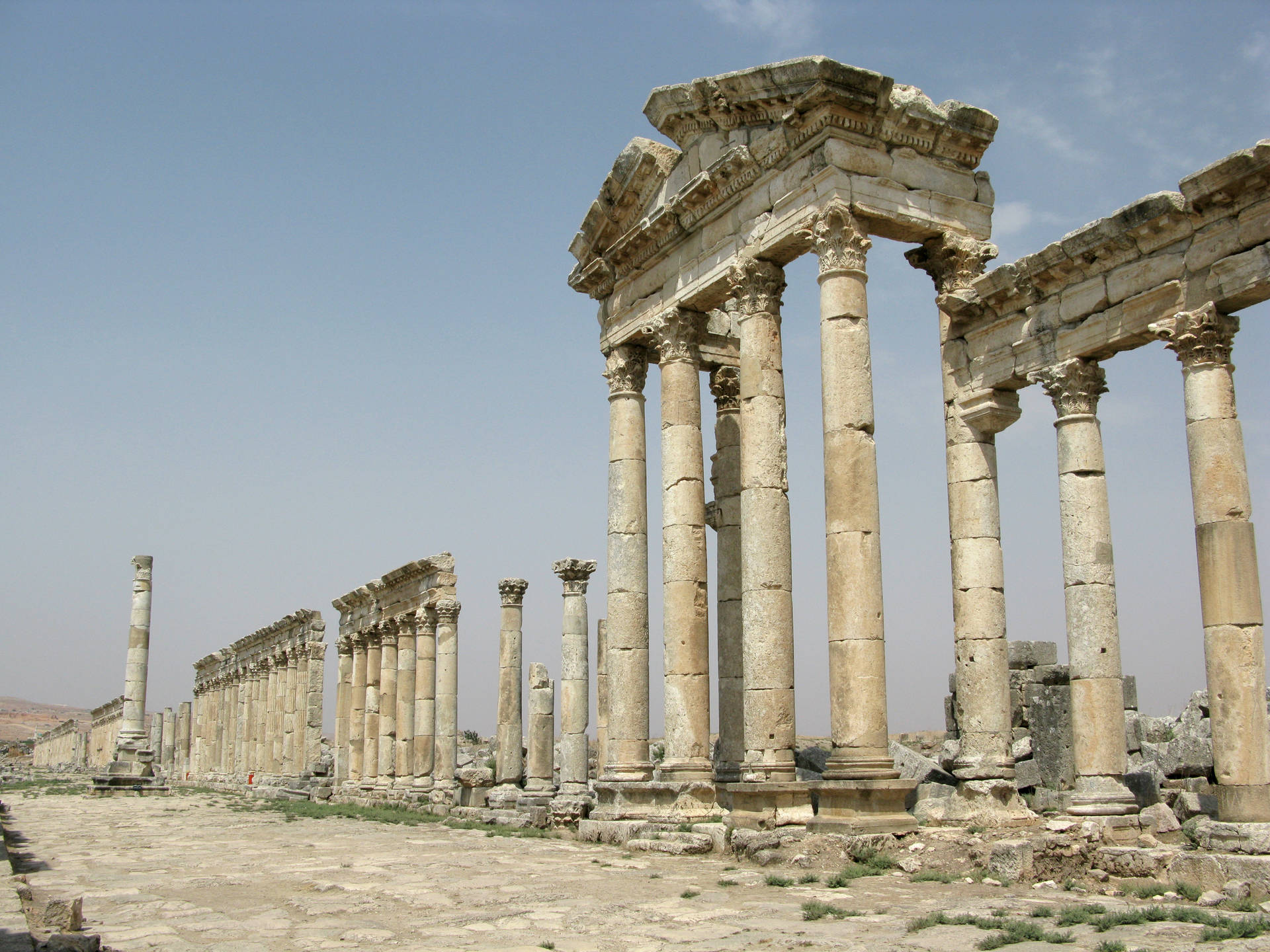
Download Syria Ancient Columns Wallpaper
Soft limestone reveals less detail. Though nearly all ancient Egyptian statues were painted, the paint on the statuette hides the lower-grade stone used here. All three statues would have been used in the tomb as a place for the ka -soul to reside and accept food offerings for the deceased from the living.. The Menkaure and a Queen statue from c. 2490-2472 B.C.E. further exemplifies the physical ideals of ancient Egyptian art. This statue captures the youthful and muscular physiques of the time, and creates a sense of eternity and immortality through its stylistic representation.